
Oil Water Separators
Coalescing plate oil water separators (1000L to 3000L) for Australian workshops, wash bays and fuel forecourts. Kwikflo KCPS poly-tank range, delivered nationwide.
- Compliant unitsMeets Australian standards
- Above & below groundPoly & fibreglass options
- Fast site deliveryNationwide freight to site
- Engineered sizingFree duty & capacity advice
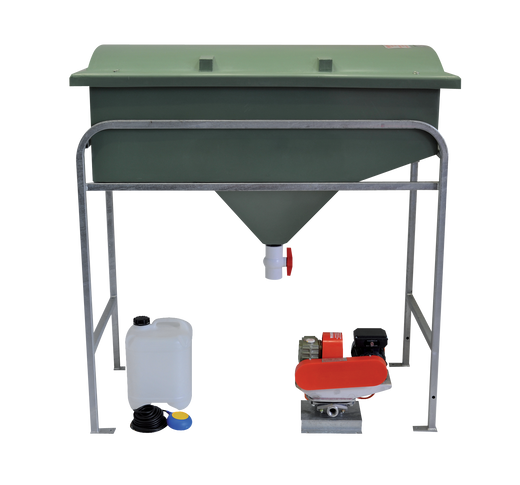
KCPS-1500 Oil Water Separator 1500L Poly Tank System
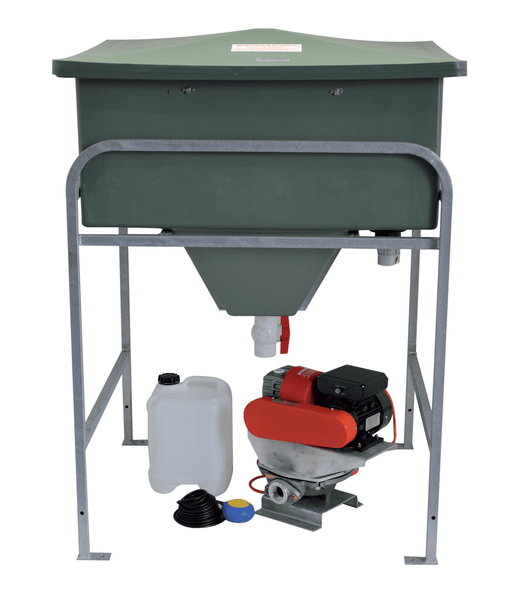
KCPS-3000 Oil Water Separator 3000L Poly Tank System
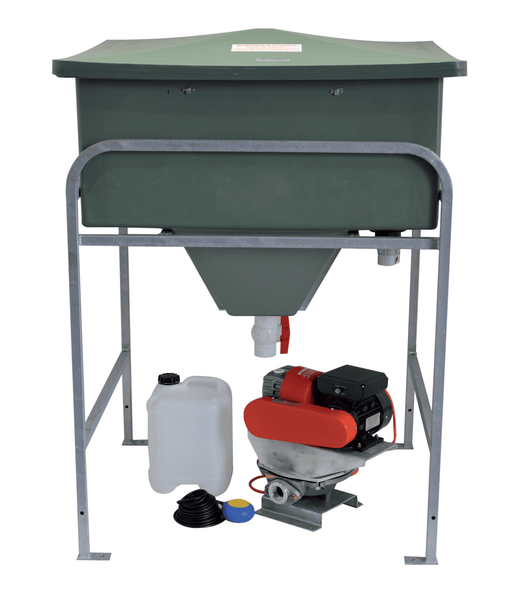
KCPS-2000 Oil Water Separator 2000L Poly Tank System
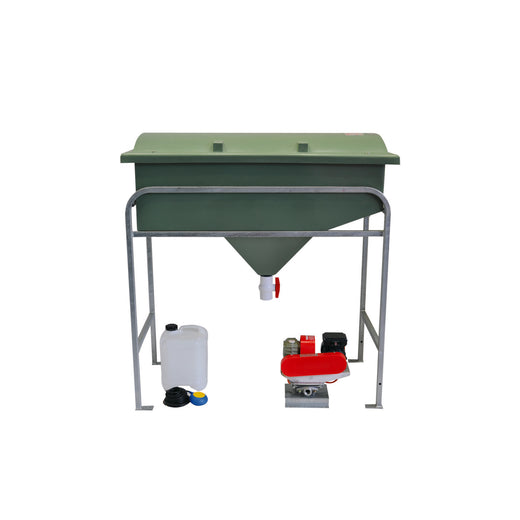
KCPS-1000 Oil Water Separator 1000L Poly Tank System
Try removing a filter, or .
Oil water separators for Australian workshops, wash bays and forecourts
An oil water separator (OWS) captures hydrocarbons, oils and greases from wastewater before it enters the stormwater or sewer. Every mechanical workshop, service station forecourt, truck wash bay, plant maintenance yard and industrial site in Australia that discharges water contaminated with oils needs one under EPA and Trade Waste regulations. Waternex supplies the compliant Kwikflo KCPS coalescing plate separator range in 1000L, 1500L, 2000L and 3000L poly-tank configurations, delivered nationwide with free freight.
How a coalescing oil water separator works
Oily wastewater enters the separator and slows through a series of coalescing plates. Small oil droplets collect on the plates, join together, and float to the surface where they are captured. Solids settle to the bottom sludge chamber. Cleaned water discharges to sewer or stormwater at levels below the regulated hydrocarbon limit (typically less than 15 ppm to trade waste, less than 5 ppm to stormwater).
How to size an oil water separator
OWS sizing depends on the peak flow rate (litres per second) hitting the unit, not just tank volume. Your local Trade Waste authority (Sydney Water, Yarra Valley Water, Queensland Urban Utilities, SA Water, Water Corp, etc) and AS 4494 provide the calculation. As a broad indicator:
- 1000L KCPS-1000 - small workshops, single wash bay, light hydraulic servicing.
- 1500L KCPS-1500 - mid-size mechanical workshops, small transport depots and 1-2 bay wash-downs.
- 2000L KCPS-2000 - larger commercial workshops, service station forecourts, multi-bay truck washes.
- 3000L KCPS-3000 - heavy industrial sites, plant maintenance yards and high-volume truck-wash facilities.
Send us your site details - number of bays, peak flow, discharge point - and we'll confirm the right unit for your EPA / Trade Waste submission, usually the same business day.
What sites need an oil water separator?
- Mechanical workshops - anywhere vehicles are serviced, hoisted or repaired
- Service station forecourts - all bowser drainage must run through an OWS
- Truck wash and vehicle detailing bays
- Bus, plant and equipment depots - wash-down and maintenance areas
- Fuel storage and refuelling sites - bunded areas need OWS discharge
- Manufacturing and industrial yards - anywhere hydraulic or lubricating oils are handled
- Marinas, boat yards and airport ground service
Why buy your oil water separator from Waternex
- Compliant coalescing design. KCPS units are engineered to meet Australian discharge limits for hydrocarbons.
- Poly-tank construction. Corrosion-proof, lightweight for install, and doesn't rust like steel tanks.
- Free Australia-wide delivery. Every unit ships free with same-day dispatch on orders placed before 12 pm.
- Engineering support. Talk to us before submission and we'll help size and spec it for your authority.
- Price match guarantee. Found the same unit cheaper elsewhere? We'll beat it.
Frequently asked questions about oil water separators
Do I need an oil water separator for my workshop?
Yes, if your site drains water that could carry hydrocarbons (oils, fuels, hydraulic fluid, degreaser residue) to stormwater or sewer, an OWS is required by your state EPA and water authority. Any commercial mechanical workshop, wash bay or fuel-handling site is included.
What's the difference between an oil water separator and a grease trap?
A grease trap (grease arrestor) captures fats, oils and grease (FOG) from kitchen wastewater. An oil water separator captures petroleum hydrocarbons (engine oil, hydraulic fluid, fuel) from workshop and industrial wastewater. Different design, different regulations, both required in their respective applications.
How often does it need to be pumped out?
Depends on volume, but most sites arrange a licensed liquid-waste contractor for pump-out every 3 to 6 months. Your Trade Waste agreement will specify the maximum interval and require logged records.
What size do I need?
Sizing is based on peak flow through the separator, not just tank volume. Call us with your site's bay count, drainage area and discharge point and we'll spec a compliant unit for your authority.
How long does delivery take?
Dispatch same or next business day. Metro capitals 2 to 4 business days, regional Australia 5 to 8 business days. Kerbside/site delivery via truck with tailgate lift.